















Modern aviation has evolved far beyond traditional mechanical systems. Today’s aircraft rely on highly advanced aerospace sensor technology to maintain precision, safety, and operational efficiency. These sensors act as the backbone of aircraft systems, continuously collecting and transmitting real-time data that helps pilots and onboard systems make accurate decisions.
From takeoff to landing, every movement and system response in an aircraft is supported by intelligent sensing solutions. Understanding how these technologies work is essential for both aviation professionals and businesses looking to invest in reliable aerospace components.
The Role of Sensors in Modern Aircraft
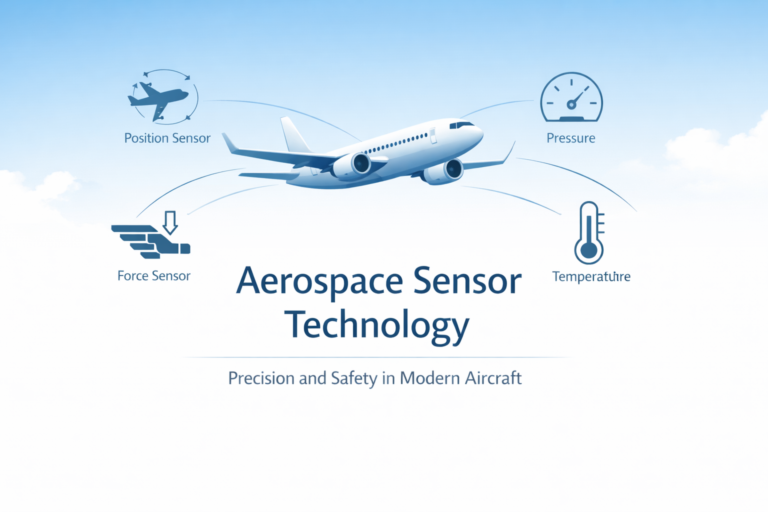
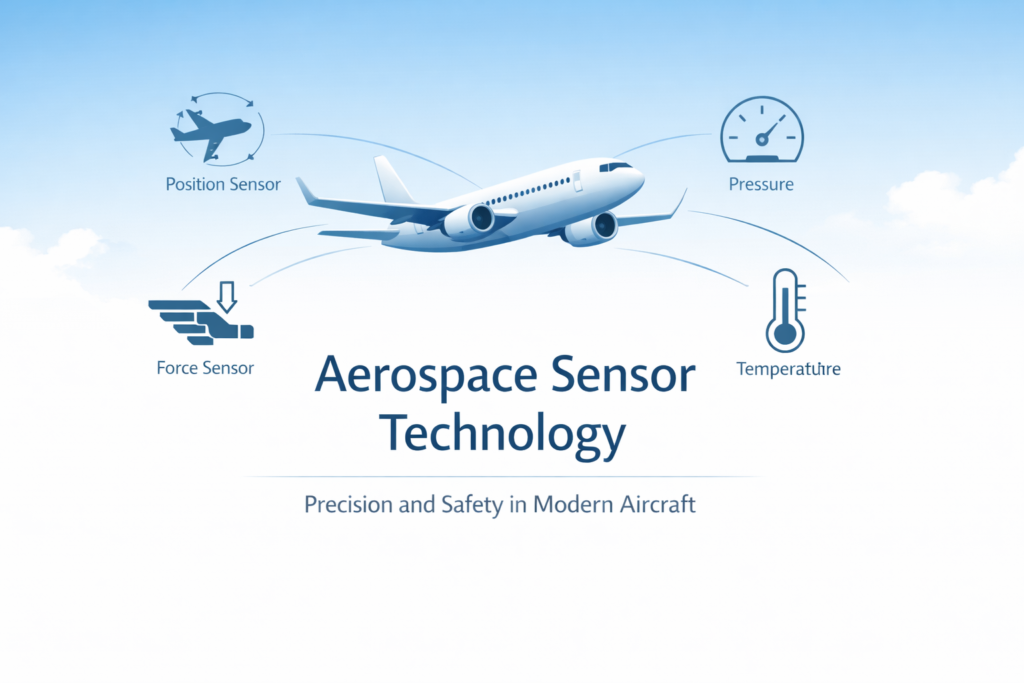
Aircraft sensors are designed to monitor critical parameters such as position, pressure, force, and temperature. These measurements ensure that every component of the aircraft operates within safe and optimal limits.
Unlike traditional systems that relied heavily on manual control, modern aircraft integrate automated systems powered by sensor data. This allows for improved accuracy, faster response times, and enhanced flight safety.
For aviation businesses, adopting advanced sensor systems is no longer optional. It is a necessity for meeting safety standards and maintaining operational excellence.
Key functions of aircraft sensors include:
- Real-time monitoring of aircraft systems
- Accurate feedback for flight control adjustments
- Detection of system faults and anomalies
- Support for automated flight operations
- Enhancement of safety and reliability
Position Sensors and Flight Control Accuracy
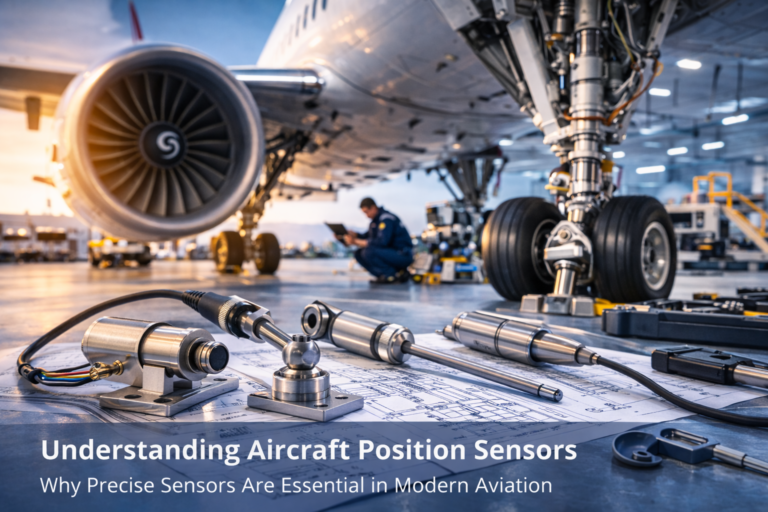
Position sensors play a vital role in controlling aircraft movement. They are responsible for tracking the position of essential components such as flaps, rudders, landing gear, and actuators.
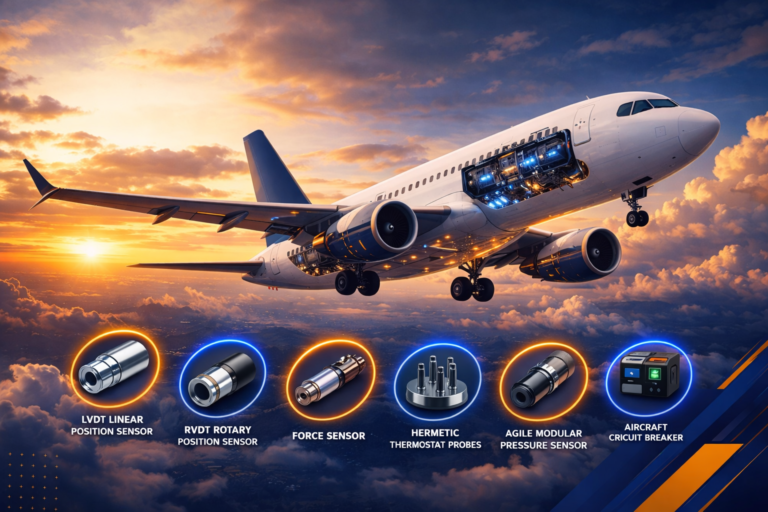
Linear position sensors measure straight-line movement, while rotary sensors track angular motion. Together, they provide precise feedback that ensures smooth and controlled aircraft operations.
These sensors are especially important during critical phases of flight, such as takeoff and landing, where even minor inaccuracies can have significant consequences.
Common applications of position sensors:
- Flap and slat position monitoring
- Landing gear alignment tracking
- Rudder and aileron control feedback
- Actuator position verification
- Wing movement and adjustment systems
Pressure Sensors and Environmental Control
Pressure sensors are another essential component of aircraft systems. They monitor both cabin pressure and hydraulic systems to ensure safe and efficient operation.
Cabin pressure sensors maintain a comfortable and safe environment for passengers, even at high altitudes. At the same time, hydraulic pressure sensors ensure that control systems function properly without failure.
Reliable pressure monitoring is crucial for preventing system malfunctions and ensuring consistent performance under varying flight conditions.
Key uses of pressure sensors in aviation:
- Cabin pressurization control
- Hydraulic system performance monitoring
- Fuel system pressure regulation
- Environmental control systems
- Altitude-based pressure adjustments
Force Sensors and Structural Integrity
Aircraft are subjected to constant stress during flight. Force sensors are used to measure load and structural strain on critical components such as wings and landing gear.
These sensors help detect potential issues before they become serious problems. By providing early warnings, they enable predictive maintenance and reduce the risk of unexpected failures.
For aviation operators, this translates into improved safety and lower maintenance costs over time.
Benefits of force sensors:
- Early detection of structural fatigue
- Improved aircraft safety and durability
- Reduced maintenance downtime
- Enhanced load distribution monitoring
- Support for predictive maintenance strategies
Temperature Sensors for System Stability
Temperature control is essential in aviation, where systems operate under extreme conditions. Temperature sensors monitor engine performance, environmental conditions, and electronic systems to ensure stability.
Maintaining the correct temperature range prevents overheating and protects sensitive components. This is especially important for high-performance aircraft systems that require consistent operating conditions.
Where temperature sensors are used:
- Engine temperature monitoring
- Avionics cooling systems
- Cabin environmental control
- Battery and electrical system protection
- Fuel temperature regulation
Integration of Sensor Systems in Aircraft
One of the most significant advancements in modern aviation is the integration of multiple sensor systems into a unified network. These systems work together to provide a comprehensive view of aircraft performance.
Data collected from various sensors is processed in real time and used to adjust system operations automatically. This level of integration enhances efficiency, reduces human error, and improves overall safety.
For manufacturers and suppliers, offering integrated sensor solutions adds significant value to aircraft systems.
Advantages of integrated sensor systems:
- Centralized monitoring and control
- Faster decision-making capabilities
- Reduced human intervention
- Improved system coordination
- Enhanced operational efficiency
Benefits of Advanced Aerospace Sensor Technology
The adoption of advanced sensor technology offers numerous advantages for the aviation industry.
It improves safety by providing accurate and real-time data. It enhances performance by enabling precise control of aircraft systems. It also reduces maintenance costs by identifying potential issues early.
In addition, sensor-driven systems support automation, allowing aircraft to operate more efficiently and reliably.
Core benefits include:
- Increased flight safety and reliability
- Better fuel efficiency and performance
- Lower operational and maintenance costs
- Enhanced system accuracy and responsiveness
- Support for modern automated aviation systems
Choosing the Right Aerospace Sensor Solutions
Selecting the right sensor solutions is a critical decision for aviation businesses. Several factors should be considered to ensure optimal performance.
Accuracy is one of the most important aspects, as precise measurements are essential for safe operation. Durability is equally important, as sensors must withstand harsh environmental conditions.
Compatibility with existing systems should also be evaluated to ensure seamless integration. Working with experienced suppliers who understand aerospace requirements can help businesses make the right choice.
Key factors to consider:
- Sensor accuracy and precision
- Environmental resistance and durability
- Compliance with aviation standards
- Ease of integration with existing systems
- Long-term reliability and performance
The Future of Aircraft Sensor Systems
As technology continues to advance, aircraft sensor systems are becoming more sophisticated. Innovations such as smart sensors, data analytics, and predictive maintenance are shaping the future of aviation.
These developments are enabling aircraft to operate with greater efficiency and reliability. They also open new opportunities for improving safety and reducing operational costs.
Businesses that invest in next-generation sensor technology will be better positioned to meet the demands of the evolving aviation industry.
Emerging trends in aerospace sensors:
- Smart and self-calibrating sensors
- AI-driven predictive maintenance
- Real-time data analytics integration
- Wireless sensor networks
- Advanced miniaturized sensor designs
Conclusion
Aerospace sensor technology has become an essential part of modern aviation. From controlling aircraft movement to monitoring environmental conditions, sensors play a critical role in ensuring safe and efficient flight operations.
For aviation professionals and buyers, understanding these systems is key to making informed decisions. High-quality sensor solutions not only enhance performance but also contribute to long-term reliability and safety.
As the aviation industry continues to evolve, the importance of advanced sensor technology will only continue to grow.