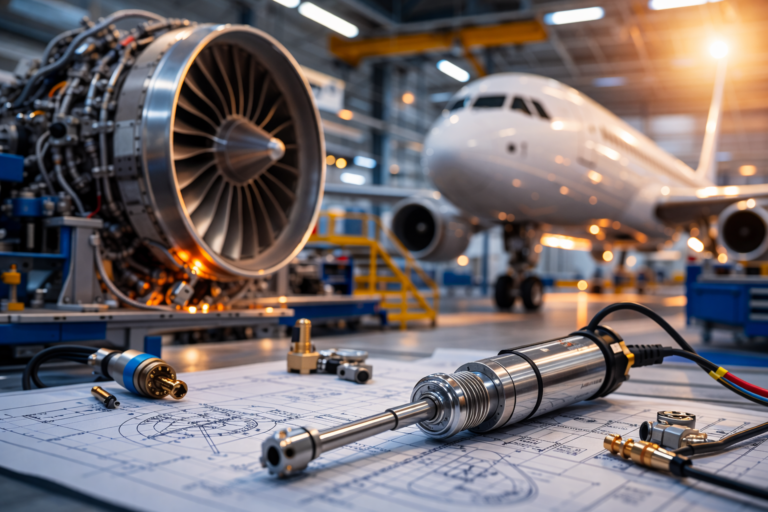
















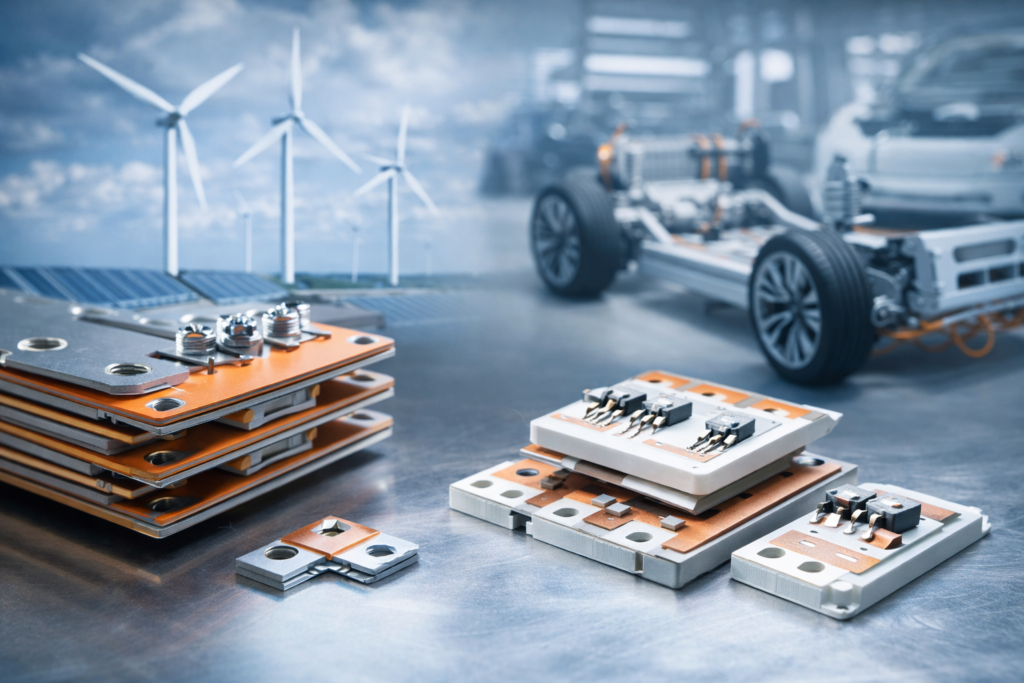
Modern electrical systems are evolving rapidly as industries adopt electrification, renewable energy technologies, and advanced power electronics. From electric vehicles and aerospace platforms to renewable energy infrastructure and industrial automation, managing electrical power efficiently has become a critical engineering challenge.
To handle high current and high voltage systems safely and efficiently, engineers rely on specialized components that simplify power distribution and improve system reliability. Two of the most important technologies used in modern electrical systems are laminated busbars and ceramic substrates.
These components help control electrical flow, reduce energy losses, improve thermal management, and support compact system designs. Understanding how these technologies work, where they are used, and how they are manufactured provides valuable insight into the foundation of modern power electronics.
This guide explains what busbars and ceramic substrates are, how they function, their applications, key benefits, and the manufacturing processes behind them.
What is a Busbar?
A busbar is a conductive metal strip or bar used to distribute electrical power within a system. Instead of relying on multiple cables or wires, a busbar acts as a centralized electrical pathway that connects various components.
Busbars are typically made from highly conductive metals such as copper or aluminum. These materials allow electricity to flow efficiently while minimizing resistance and energy loss.
Busbars are commonly used in power distribution systems where large electrical currents must be safely transferred between devices such as batteries, transformers, inverters, and electrical panels.
In modern electrical systems, laminated busbars have become especially popular because they provide improved performance and more efficient power management compared to traditional wiring systems.
What is a Ceramic Substrate?
A ceramic substrate is a base material used in power electronic devices to support electrical circuits and semiconductor components. These substrates are designed to provide both electrical insulation and effective heat dissipation.
Ceramic substrates are often manufactured by bonding copper layers to a ceramic base material. The copper layer carries electrical current, while the ceramic layer provides insulation and thermal stability.
This combination makes ceramic substrates ideal for high-power applications where electronic components generate significant heat and require stable electrical performance.
Ceramic substrates are widely used in systems such as power modules, motor drives, inverters, and high-efficiency electronic control units.
How Busbars Work
Busbars operate as low-resistance conductors that distribute electrical current across multiple components within a system.
When electrical current enters a busbar, it flows through the conductive metal strip and branches out to connected devices. Because the conductor is large and made from a highly conductive material, it allows electricity to move efficiently without a significant voltage drop.
In laminated busbars, multiple conductive layers are stacked and separated by insulating materials. This structure reduces electrical inductance and improves power flow efficiency.
The laminated design also helps control electromagnetic fields generated by electrical current, which reduces electrical interference within electronic systems.
How Ceramic Substrates Work
Ceramic substrates support electronic circuits and help manage the heat generated by high-power electronic components.
The copper layer on the substrate acts as the electrical pathway for current, while the ceramic base performs several critical functions.
First, it provides electrical insulation between conductive layers, preventing short circuits. Second, the ceramic material efficiently transfers heat away from electronic components, preventing overheating.
This thermal management capability is particularly important in power electronics systems where semiconductor devices operate under high electrical loads.
By combining electrical conductivity with thermal insulation, ceramic substrates allow electronic components to operate safely and reliably.
Common Uses of Busbars
Busbars are used in many industries that require efficient power distribution.
Electrical Power Distribution Panels
Busbars are commonly used in electrical switchboards and distribution panels to transfer power from incoming supply lines to outgoing circuits.
Electric Vehicles
Electric vehicles rely on busbars to distribute power between batteries, inverters, and electric motors.
Renewable Energy Systems
Solar and wind energy systems use busbars to manage power generated by energy sources before it is converted and transmitted to electrical grids.
Industrial Equipment
Manufacturing facilities use busbars to distribute power within heavy machinery and industrial control systems.
Aerospace Electrical Systems
Modern aircraft use advanced electrical systems that require reliable power distribution components capable of handling demanding operating conditions.
Uses of Ceramic Substrates
Ceramic substrates are primarily used in high-power electronic devices where efficient heat management and electrical insulation are essential.
Power Semiconductor Modules
Ceramic substrates support semiconductor components used in high-power switching systems.
Motor Drives
Industrial motors and electric vehicle motors rely on ceramic substrates in their control electronics.
Power Inverters
Inverters used in renewable energy systems convert DC power to AC power and require stable electronic platforms.
Aerospace Electronics
Aircraft power control systems use ceramic substrates for their durability and thermal stability.
Battery Management Systems
Electric vehicles and energy storage systems use ceramic substrates in electronic circuits that regulate battery performance.
Benefits of Busbars
Busbars provide several advantages compared to traditional wiring systems in electrical and power distribution applications. Their design improves electrical efficiency, simplifies system layouts, and enhances reliability in industrial, commercial, and power electronics environments.
Improved Electrical Efficiency
Busbars reduce electrical resistance and allow current to flow more efficiently throughout the system. Because they use solid conductive materials such as copper or aluminum, busbars minimize energy loss and improve overall electrical performance.
Compact Design
Busbars help simplify electrical layouts by replacing large bundles of wires with a single conductive structure. This compact design reduces wiring complexity, saves space inside electrical panels, and makes system installation more organized and efficient.
Better Heat Dissipation
The wide conductive surface of a busbar helps distribute and dissipate heat more effectively than traditional wiring. This improved thermal management reduces overheating risks and ensures stable performance in high-power electrical systems.
High Current Capacity
Busbars are capable of carrying large electrical loads safely. Their solid structure and high conductivity allow them to support high current levels without significant voltage drop, making them ideal for power distribution systems and industrial equipment.
Improved Reliability
Because busbars reduce the number of connection points compared to traditional wiring, they lower the chances of loose connections or electrical failures. This improved reliability helps maintain consistent system performance and reduces maintenance requirements over time.
Benefits of Ceramic Substrates
Ceramic substrates provide several advantages in modern power electronic systems. Their unique combination of thermal performance, electrical insulation, and mechanical durability makes them suitable for demanding applications such as aerospace systems, electric vehicles, renewable energy equipment, and industrial power electronics.
Excellent Thermal Conductivity
Ceramic substrates are known for their ability to transfer heat efficiently away from electronic components. Power electronic devices generate significant heat during operation, and ceramic materials help dissipate this heat across the substrate surface, maintaining stable operating temperatures and improving system reliability.
Strong Electrical Insulation
One of the key advantages of ceramic substrates is their strong electrical insulation properties. The ceramic base prevents unwanted electrical conduction between conductive layers, allowing high voltage systems to operate safely while protecting sensitive electronic circuits from short circuits or electrical faults.
High Temperature Resistance
Ceramic substrates can withstand extremely high temperatures without losing their structural or electrical properties. This makes them suitable for environments where electronic systems operate under thermal stress, such as aerospace equipment, power modules, and industrial control systems.
Long Operational Life
Ceramic materials maintain stable performance over long periods of operation. Their resistance to heat, corrosion, and mechanical wear helps extend the lifespan of electronic components, reducing maintenance requirements and improving overall system durability.
Mechanical Strength and Stability
Ceramic substrates provide strong mechanical support for electronic circuits and semiconductor components. Their rigid structure protects sensitive electronics from vibration and mechanical stress, which is especially important in transportation, aerospace, and industrial applications.
Reliable Performance in High-Power Systems
Because ceramic substrates combine thermal conductivity, electrical insulation, and structural stability, they are well suited for high-power electronic systems. This allows engineers to design reliable power modules that operate safely even under demanding electrical loads.
What to Avoid When Designing Power Electronics Systems
When designing systems that use busbars and ceramic substrates, engineers must consider several potential issues.
Poor material selection can lead to overheating or electrical inefficiency.
Improper insulation may cause electrical faults or short circuits.
Inadequate thermal management can damage semiconductor components.
An incorrect busbar layout can increase electrical resistance and electromagnetic interference.
Proper engineering design and component selection help prevent these problems and ensure reliable system performance.
Manufacturing Process of Laminated Busbars
The production of laminated busbars involves several engineering steps.
First, conductive sheets made of copper or aluminum are cut into the required shapes.
Next, insulating materials are placed between conductive layers to prevent electrical contact.
The layers are then laminated together under controlled pressure and temperature conditions to form a single compact structure.
After lamination, the busbars are machined, drilled, and finished according to the system design requirements.
Quality control testing ensures that the finished product meets electrical and mechanical performance standards.
Manufacturing Process of Ceramic Substrates
Ceramic substrates are manufactured through advanced materials processing techniques.
The ceramic base is produced using specialized ceramic compounds designed for high thermal conductivity.
Copper layers are then bonded or brazed to the ceramic surface through high-temperature processes.
This bonding process creates a strong mechanical and electrical connection between the copper and ceramic layers.
The substrate is then cut, machined, and prepared for integration into electronic modules.
These manufacturing processes require precision engineering to ensure consistent performance and durability.
Conclusion
Busbars and ceramic substrates are essential components in modern power electronics and electrical engineering systems. They help engineers manage electrical power efficiently while maintaining system reliability and thermal stability.
Busbars provide structured pathways for distributing electrical current, while ceramic substrates support high-power electronic circuits and dissipate heat generated during operation.
Together, these technologies enable the development of efficient and reliable electrical systems used in industries such as electric mobility, renewable energy, aerospace engineering, and industrial automation.
As electrification continues to expand across global industries, advanced power distribution components will remain critical to the performance and safety of modern electrical systems.